

Feeding Guides
Best Foods to Increase Toddler Weight: Nutrient-Dense Options That Actually Work
Laeeka Edries·11 min read

The best finger foods for 9 month olds: soft, safe textures your baby can grasp and mash. What works, what to avoid, and how to know if they're ready.
Here’s what nobody tells you about the jump to finger foods: it feels like you’re handing your baby a choking hazard and hoping for the best. But 9 months is actually the sweet spot — and once you understand why, the fear starts to make sense. Your baby’s pincer grasp is clicking into place, their gums are strong enough to mash soft foods, and they’re sitting steady enough to swallow safely. The best finger foods for 9 month old babies aren’t complicated; they’re just the right texture and size for this exact developmental moment.
Here’s the thing nobody tells you: the jump from purees to actual pieces of food feels terrifying. You’re handing your baby something they could choke on and just… hoping for the best. That fear is completely valid. It doesn’t mean you’re doing it wrong.
But 9 months? There’s a real reason this age keeps coming up. A lot of things click into place around now, all at once.
The biggest one is the pincer grasp. Around 8 to 10 months, babies start using their thumb and index finger together instead of just raking food into their fist. That small motor shift changes everything — it means your baby can actually pick up a soft piece of banana or a little puff and get it to their mouth with some control.
Then there’s chewing. Most 9-month-olds have started the up-and-down munching motion even if they have zero teeth. Their gums are surprisingly strong. Soft foods mash easily against the roof of the mouth — no molars needed.
They’re also sitting more steadily now. Upright posture matters more than people think. It makes swallowing safer and gives your baby the stability to actually focus on the food in front of them.
And interest — don’t underestimate it. Nine-month-olds are watching everything you eat. They want in. That curiosity is biological. It’s their way of saying they’re ready to explore texture and flavor beyond what a spoon brings.
If you started solids a few months back, you’ve already done the groundwork. The best finger foods for 9 month old babies build naturally on whatever purees or mashes you’ve already introduced — same flavors, new format. For a look at how those early stages connect, first foods for 6 month old gives useful context on where this journey starts.
The smashing, the squishing, the pieces that end up absolutely everywhere — this stage is chaotic and kind of wonderful. Your baby’s pincer grasp is just starting to click, so the goal right now isn’t neat eating. It’s exploration. Give them foods that smoosh easily between your fingers. If you can’t squish it, it’s not ready for them yet.
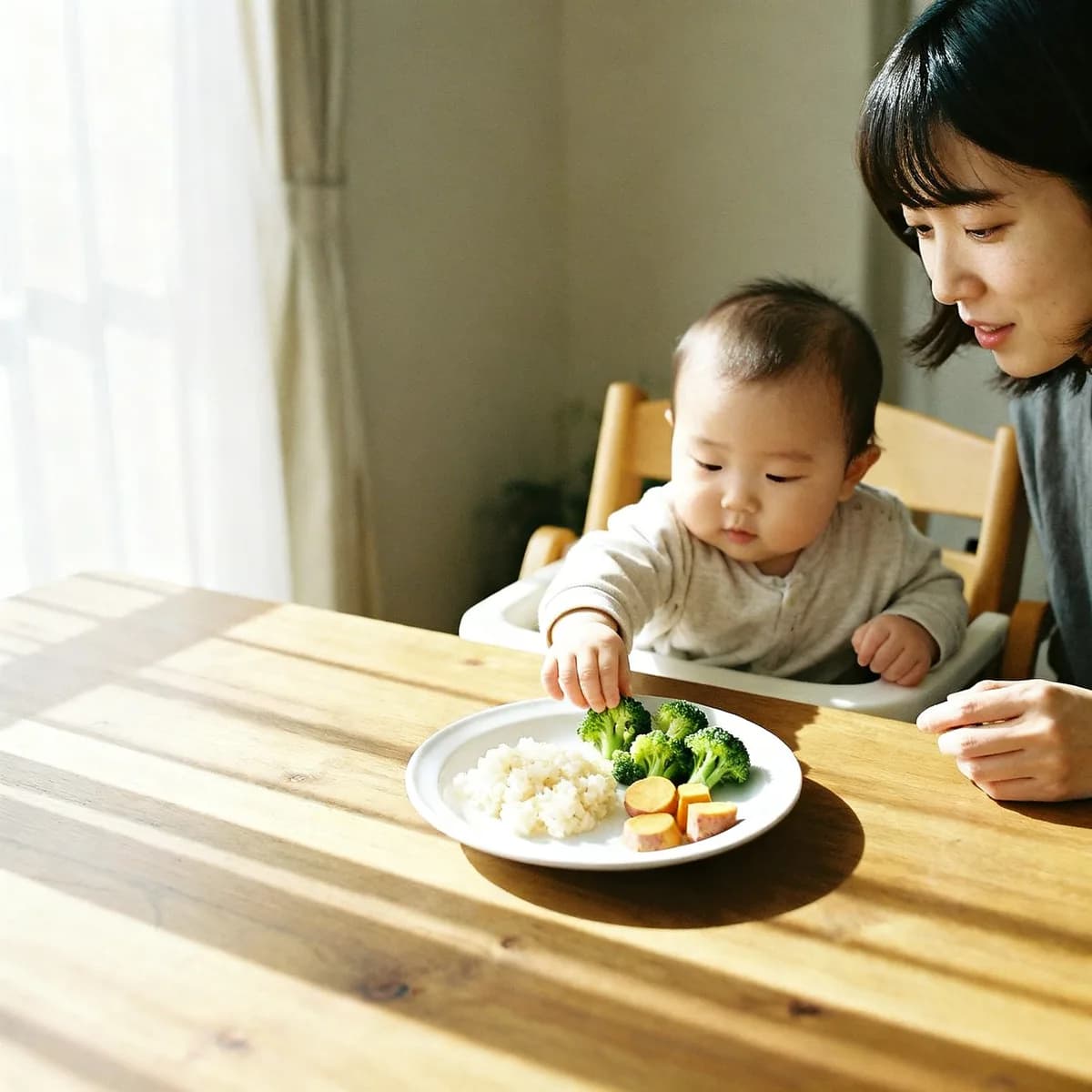
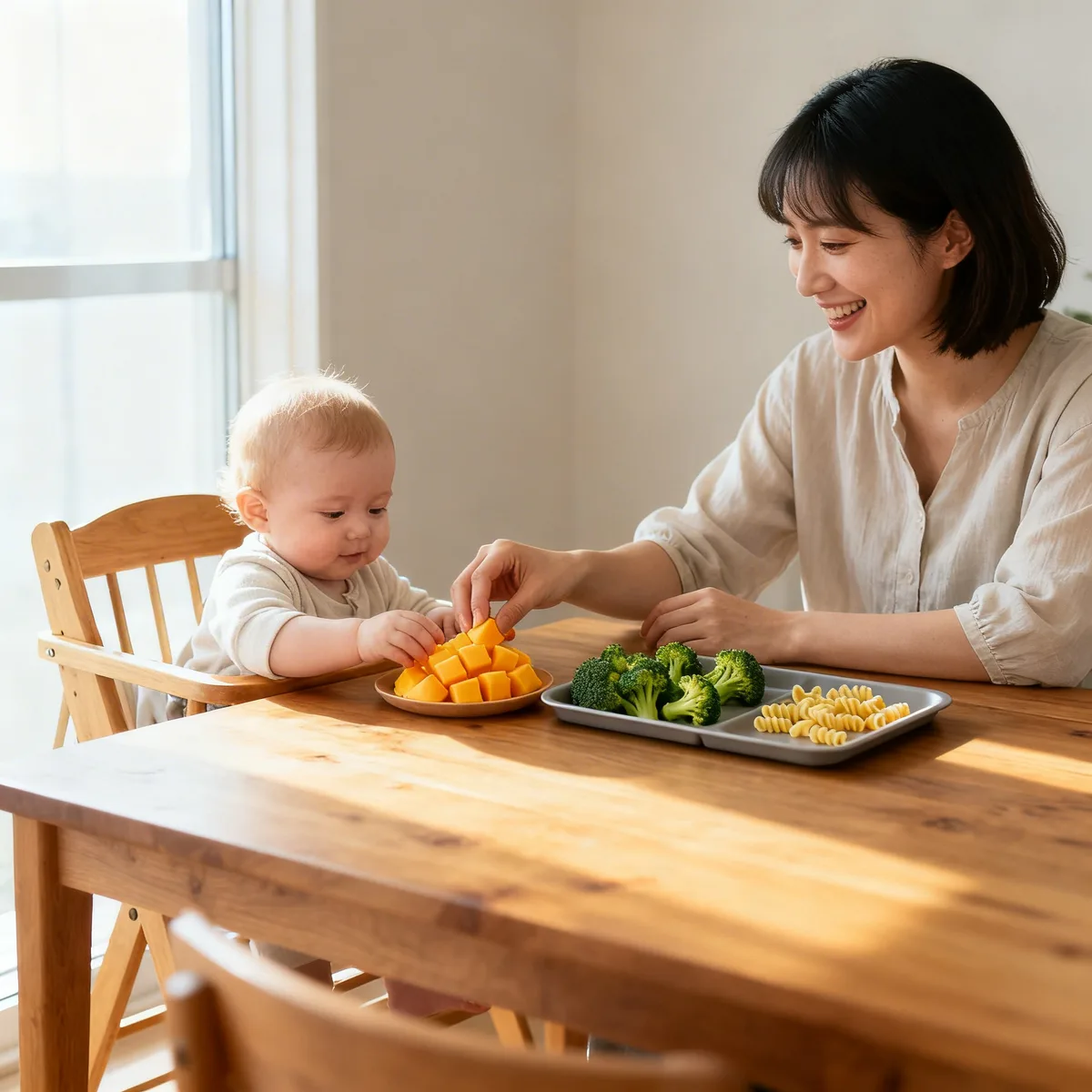
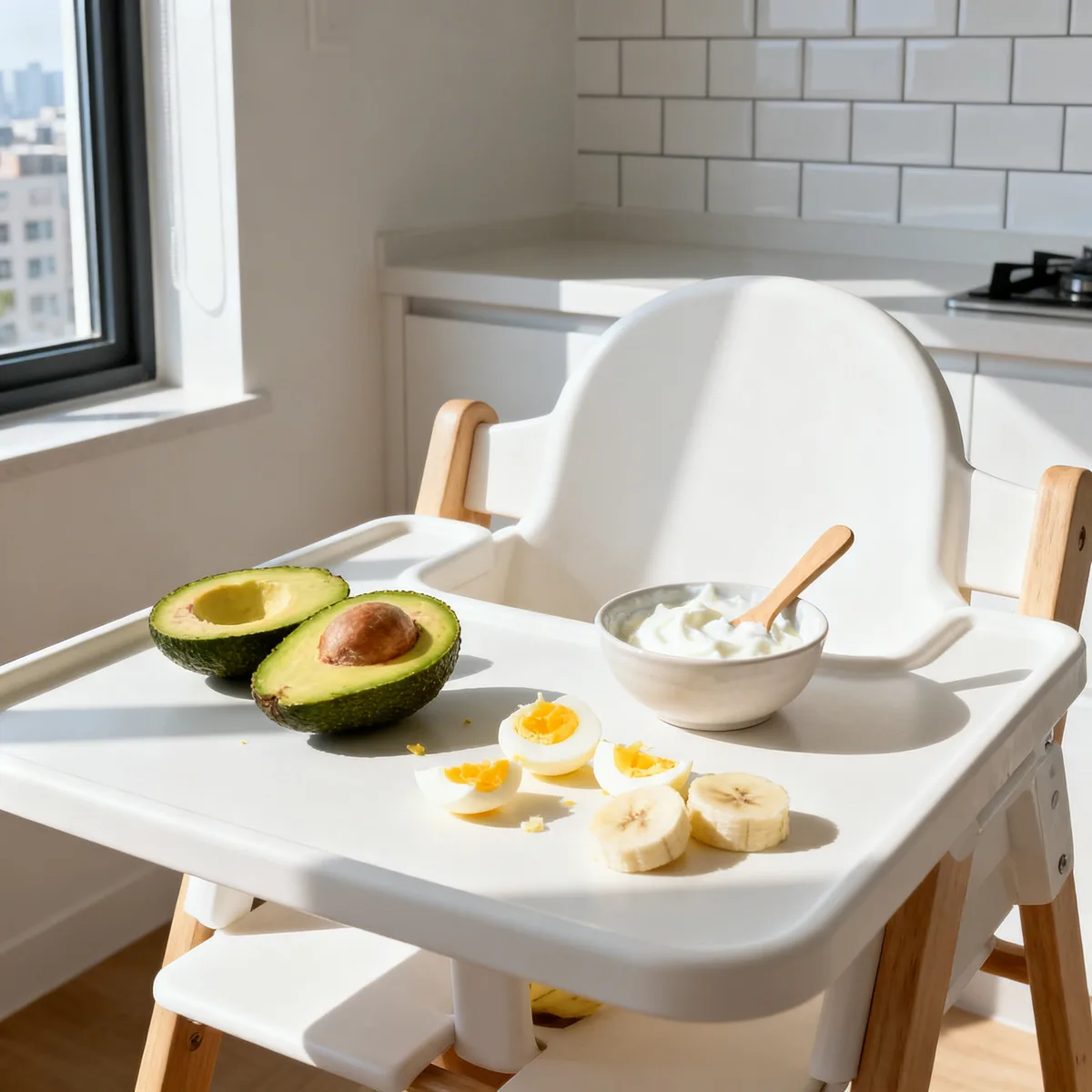
Soft fruits and vegetables are where most babies do well first. Ripe banana cut into small chunks. Steamed sweet potato or butternut squash cubes. Avocado — nature’s most forgiving texture. Cooked peas, halved. Soft mango pieces. These melt fast and don’t require much gum work.
Proteins worth trying: scrambled eggs (soft, not rubbery), flaked salmon or white fish with bones removed, well-cooked lentils, and soft tofu cubes. These are nutrient-dense and most babies take to them surprisingly well.
Grains and carbs: small pieces of soft whole grain toast, plain pancake torn into bits, well-cooked pasta shapes like small shells or orzo, and soft-cooked oatmeal formed into little balls. Skip anything crunchy or dry at this stage.
Dairy: small cubes of soft cheese like ricotta or mozzarella work well. Full-fat plain yogurt can be offered with a preloaded spoon if you’re working on utensil skills — silicone feeding set. The best silicone baby feeding set guide covers what to look for by stage.
For snack moments between meals, organic teething snacks can bridge the gap nicely — and if you’re curious about expanding flavors, the Beemymagic range offers variety without the ingredient stress.
Keep pieces small — roughly the size of a pea or just slightly bigger. Not bite-sized. Piece-sized. There’s a difference, and it matters.
Here’s the thing nobody tells you about protein at this stage — your baby actually needs more of it than you’d think. Their muscles, brain, and immune system are all in overdrive right now. Protein isn’t optional. It’s the whole foundation.
Eggs are your best friend. Scrambled, soft, a little glossy in the middle — cut into small pieces and they’re one of the easiest best finger foods for 9 month old babies to actually pick up and manage. Just make sure they’re fully cooked. No runny whites at this age.
Soft meats work better than most people expect. Shredded chicken thigh (thighs stay moist, breast dries out), flaked salmon, slow-cooked beef that falls apart — these are all genuinely good options. The key is texture. If you can mash it between your fingers with light pressure, your baby can handle it. If you can’t, it’s not ready.
Legumes are underrated here. Soft-cooked lentils, mashed black beans, whole chickpeas gently squished so they’re not round and rolly anymore — all solid protein, all easy to prepare, and honestly some of the least stressful options on the table.

Dairy fills in the gaps beautifully. Full-fat ricotta dolloped onto a tray. Small cubes of soft cheese like mozzarella. Plain whole milk yogurt — thick enough to scoop, mild enough that most babies take to it immediately. These aren’t just snacks. They’re building blocks.
One thing that genuinely helps with mealtimes: suction bowl. Sounds minor. Isn’t minor. Especially once your baby figures out they can launch things. The best suction bowls for babies guide is a good starting point if you’re not sure what to look for.
Rotate through these. Don’t get locked into one protein source. Variety now means a less picky eater later — and that’s a gift you’re giving your future self.
Produce feels simple until you’re standing at the cutting board wondering if this piece of mango is going to be a problem. The anxiety is real. And it makes sense — soft and slippery is a different challenge than firm and crunchy, and nine months is right in the middle of figuring all of it out.
Here’s what I know: cooked almost always beats raw at this age. Steam or roast until you can smoosh a piece easily between two fingers. That’s your texture test. Broccoli, zucchini, sweet potato, carrots, green beans — all of them get softer and safer with heat. Raw carrot sticks and whole grapes are the ones that catch parents off guard. Skip those for now.
For sizing, think longer than wide. A strip about the length and width of your finger gives your baby something to grip without it disappearing into their fist. Coin shapes are trickier — they can form a seal. Spears and strips are your friend right now.
Fruit is trickier because it varies so much. Ripe banana, avocado, soft pear — those are ready as-is. Melon and mango can work raw if they’re genuinely ripe and cut into spears. Harder fruits like apple need to be cooked or grated until your baby has more teeth and more practice. Blueberries should be halved or quartered, not whole.
Some of the best finger foods for 9 month olds are honestly just whatever’s in your fridge, prepped correctly. Roasted sweet potato wedges. Steamed broccoli florets with a little stem to hold. Soft pear strips. Nothing fancy. Nothing special. Just food, made safe.
Don’t stress about variety every single day. A few reliable staples you know your baby can handle is a better starting point than an adventurous rotation that stresses you out.
This part matters. A lot. Because the fear around choking is real, and it deserves a straight answer — not a vague list of rules that leaves you more anxious than before.
Here’s what to keep off the tray at nine months:
Whole grapes, whole blueberries, cherry tomatoes. Round. Firm. Exactly the wrong shape and texture for a baby’s airway. Always cut them. Always.
Raw carrots, raw apple, raw celery. Too hard, too dense. A nine-month-old doesn’t have the molars to break these down. They snap off in chunks. Steam or roast until genuinely soft — it should squish between your fingers with almost no pressure.
Nuts and whole seeds. Too small, too hard, too easy to inhale. Save these for later.
Popcorn. Not yet. Not even close. The hull alone is a hazard.
Chunks of meat that aren’t shredded. Rubbery, hard to chew, easy to lodge. If you’re offering meat, it needs to pull apart easily or be ground.
Thick blobs of nut butter. Sticky in exactly the wrong way. If you’re introducing peanut butter — and the AAP recommends introducing allergenic foods like peanuts early to help reduce allergy risk — thin it out with water or spread a tiny amount on toast.
Honey. Full stop. Not until after 12 months. This isn’t a texture issue — it’s a botulism risk.

High-sodium processed snacks. Their kidneys aren’t ready for that load. If you’re looking for packaged options, Korean baby snacks are often specifically formulated low-sodium for this age — worth knowing about.
The through-line here isn’t fear. It’s just being honest about what a nine-month-old’s body can and can’t handle right now.
Here’s the thing nobody tells you: nine-month-olds eat less than you think they should. And that’s completely fine. A “portion” at this age is roughly the size of their little fist. Two or three small pieces of food on the tray at a time. Not a full plate. Overwhelming them with options usually ends with everything on the floor anyway.
Timing matters more than quantity. Most babies do best with finger foods when they’re hungry but not starving — that edge where they’re motivated to eat but not melting down. About an hour after waking from a nap is usually a sweet spot. Avoid right before bed when they’re exhausted. Tired babies and new textures are a frustrating combination for everyone.
When you’re figuring out the best finger foods for 9 month old babies, build in variety across the week, not within a single meal. One or two foods per sitting. Keep it simple. If something gets rejected today, try it again in a few days. It can take ten to fifteen exposures before a baby accepts a new food. That’s not failure — that’s how it works.
Now, the mess. Let it go. Seriously. Food on the face, in the hair, smeared on the tray — that’s exploratory play and it’s part of learning to eat. A good splat mat under the high chair saves your floor. Strip them down to a diaper if it’s a particularly messy meal. And if you’re worried about residue on surfaces and want to keep things genuinely clean around your baby, having a go-to for baby safe cleaning products makes the post-meal wipe-down less stressful.
Feed them. Let it be imperfect. Clean up after. Repeat.
Here’s the thing nobody really tells you: not every 9 month old is going to lunge for a piece of banana and figure it out immediately. Some do. Some look at you like you’ve lost your mind. Both are normal.
Here’s what readiness actually looks like. They’re sitting up on their own with good control — not slumping, not needing you to hold them steady. They’re watching your food with real interest, maybe reaching for your plate. They’ve got that pincer grasp starting to develop — thumb and finger working together, not just batting at things with a whole fist. They’re bringing objects to their mouth. That one’s big. If they’re doing that with toys, they’re getting ready to do it with food too.
But what if they’re just… not interested? They push the food away, turn their head, cry when you put them in the high chair? First — validate that for yourself. It’s frustrating. You’ve read about the korean baby snacks and the cute little puffs and you had a vision. And then your baby acts like the tray is personally offensive. That’s hard.
Here’s what I know from being in it: don’t force it and don’t make mealtimes a battle. Keep offering. Keep it low pressure. Put one or two pieces of food on the tray and just let them exist there. No hovering, no “come on, try it.” Some babies need weeks of just seeing food in their space before they trust it enough to touch it.
Also — look at timing. A tired baby or an already-hungry baby isn’t going to be a curious, experimental baby. Offer solids when they’re alert and in a decent mood, not at the edge of a nap or a meltdown. The best finger foods for 9 month old babies mean nothing if the timing is off. Get the window right and the interest usually follows.
Finger foods for 9-month-olds should be roughly the size of a pea to a small marble — small enough that your baby can pick it up with their emerging pincer grasp, but large enough not to be a choking hazard. A good rule: if you can’t easily squish it between your thumb and finger, it’s too hard for them yet.
Yes, but only soft whole grain toast cut into small pieces or torn into bits. Skip anything crunchy or dry. The bread should be moist enough to mash easily against the roof of the mouth. Hard crusts or chewy bagels are choking hazards at this age.
Gagging is protective and normal — your baby will cough, make noise, and their eyes may water. Choking is silent or near-silent, with no effective cough. If your baby is gagging, stay calm and let them clear it. If they’re choking, call 911 immediately. Learn infant CPR before starting finger foods for confidence.
Both. At 9 months, you’re transitioning, not replacing. Many babies do well with a mix of soft self-fed pieces and some spoon-fed textures. This combo lets them practice independence while you control variety and ensure adequate nutrition. There’s no rule that says you have to choose one or the other.
Soft fruits like ripe banana and mango, steamed vegetables like sweet potato and peas, scrambled eggs, flaked white fish, well-cooked lentils, and soft tofu all work beautifully without teeth. The key is texture, not chewing power — anything that mashes easily against gums is fair game.