

Health Guides
Tongue Tie in Babies: Signs, Diagnosis, Treatment & Breastfeeding Recovery
Jeehoo Jeon·10 min read

What actually prevents SIDS? Learn the evidence-backed practices that reduce sudden infant death risk, plus what doesn't work — so you can stop worrying.
Here’s what most parents don’t realize about SIDS prevention: the most effective strategies aren’t complicated, and they’re not about buying special gear. They’re about understanding which evidence-backed practices actually shift risk — and which ones don’t. SIDS prevention starts with one clear fact: sudden infant death syndrome is most common between one and four months of age, but it’s also one of the few infant health threats where the evidence tells us exactly what works.
This guide cuts through the noise. We’ll cover what the research actually says about room-sharing, sleep position, protective factors like breastfeeding and pacifiers, and the things you can stop worrying about entirely. Because the goal isn’t perfection — it’s consistent, evidence-based choices that genuinely reduce risk.
Sudden Infant Death Syndrome — SIDS — is the unexplained death of an otherwise healthy baby, typically during sleep. By definition, no cause is found even after a thorough autopsy, death scene investigation, and review of medical history. That unexplainability is part of what makes it so difficult for families, and so important to understand clearly.
Researchers believe SIDS involves a combination of factors: a developmental vulnerability in the infant’s ability to regulate breathing and arousal, a critical window of age, and an environmental trigger — often something that affects airflow during sleep. No single factor causes SIDS. It’s the overlap that raises risk.
The age window matters. SIDS is most common between one and four months of age. Around 90% of cases occur before six months. After that, risk drops significantly — though safe sleep practices remain important through the first year.
The AAP recommends placing babies on their back to sleep, on a firm flat surface, in their own sleep space, for every sleep — naps included. This guidance is the single most evidence-supported action for reducing SIDS risk. Back sleeping alone is estimated to have cut SIDS rates significantly since the early 1990s, when the recommendation became widespread.
If you’re also thinking through questions around bed-sharing and proximity at night, the research on co sleeping safety covers what the evidence actually shows — without the oversimplification.
SIDS prevention isn’t about eliminating all risk — no parent can do that. It’s about understanding which factors are modifiable, and making consistent choices around those. The evidence is clear enough that small, repeatable habits genuinely shift the odds.
The AAP recommends that infants sleep in their parents’ room — on a separate, firm sleep surface — for at least the first six months of life, and ideally through the first year. This single arrangement is one of the most consistently supported recommendations in infant sleep safety.
The reasoning is specific. Room-sharing without bed-sharing reduces the risk of SIDS by as much as 50%, according to the AAP. Proximity matters: when you’re nearby, you’re more likely to respond to changes in your baby’s breathing, position, or distress. But a shared sleep surface introduces hazards — soft bedding, overlying, and overheating among them — that a separate surface removes.
What that separate surface looks like matters too. A firm, flat bassinet, crib, or play yard placed within arm’s reach of your bed meets the standard. The mattress should fit snugly, with no gaps. There should be no pillows, loose blankets, bumpers, or positioning devices inside the sleep space. A fitted sheet is the only bedding the AAP endorses for the sleep surface itself.
Room temperature is a quieter factor that often gets overlooked. Overheating is a documented SIDS risk. Dress your baby in one more layer than you’d wear in the same room, and keep the space ventilated. A fan running on low has been associated with reduced risk in some studies — likely because it improves air circulation around the sleep area.
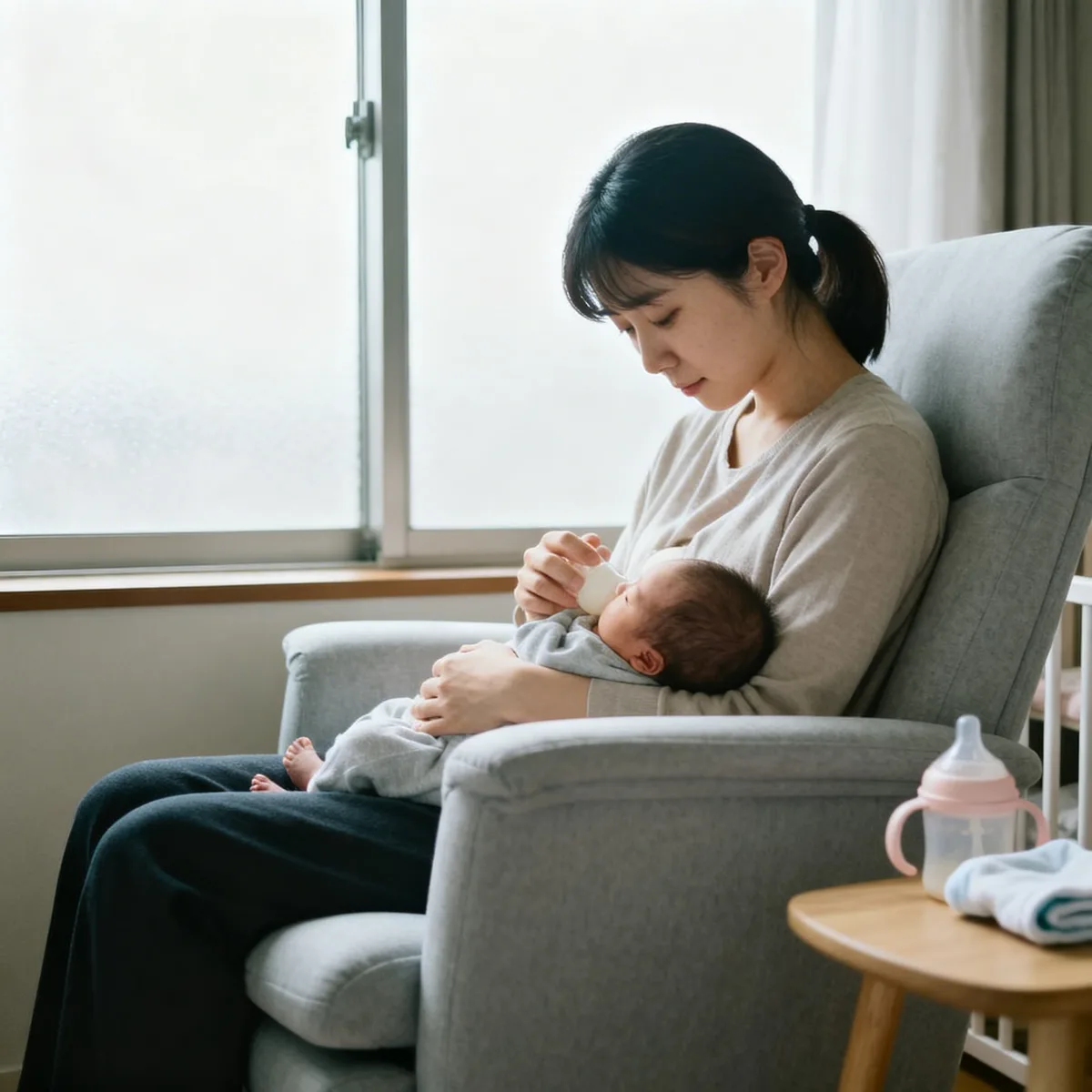
If you’re breastfeeding at night, feeding in bed and then returning your baby to their own surface is the approach the AAP specifically endorses. The protection comes from proximity, not from sharing a sleep surface. Setting up a bedside bassinet before your baby arrives — so the arrangement is already in place — is one of the more practical postpartum recovery essentials worth thinking through ahead of time.
The AAP recommends placing babies on their backs for every sleep — naps included — until their first birthday. This single practice has contributed to a more than 50% reduction in SIDS-related deaths since the Back to Sleep campaign launched in the 1990s. The mechanism is straightforward: back sleeping keeps the airway open and reduces the likelihood of rebreathing exhaled carbon dioxide, which accumulates more easily when a baby’s face is pressed against a soft surface.
A firm sleep surface matters just as much as position. Firm means the surface doesn’t contour or compress under your baby’s weight. A crib or bassinet mattress that meets current safety standards qualifies. Memory foam, pillow-top inserts, folded blankets, and any surface that leaves an impression when you press your hand into it do not. The cover should fit snugly with no excess fabric.
Two concerns come up often. The first is reflux. It’s a reasonable worry — but the AAP’s position is clear: back sleeping does not increase the risk of choking or aspiration in healthy infants, including those with reflux. The anatomy of an infant’s airway makes it naturally protective in this position. If your baby has been diagnosed with a specific condition, that’s a conversation for your pediatrician, not a reason to deviate from the guidance independently.

The second concern is comfort. Babies who are swaddled and placed on their backs do settle. If your baby rolls to their side or stomach during sleep once they can do so independently, you don’t need to reposition them every time — but you should always start them on their back.
These two steps — back position, firm surface — form the foundation of SIDS prevention. Everything else builds on them.
Some factors don’t just reduce risk passively — they appear to actively lower it. Three have the strongest evidence: pacifier use at sleep onset, breastfeeding duration, and skin-to-skin contact in the early weeks.
The AAP recommends offering a pacifier at the start of every sleep period for at least the first six months of life, noting that it is associated with a significant reduction in SIDS risk. You don’t need to reinsert it if it falls out during sleep. If your baby refuses it, there’s no need to force it — but it’s worth offering consistently.
Breastfeeding has a measurable protective effect, and the longer it continues, the stronger that effect appears to be. Research consistently shows that babies who are breastfed for at least two months have a meaningfully lower risk compared to those who are not breastfed at all. If you’re navigating early feeding challenges, getting support with newborn latching tips can make a real difference in sustaining those early weeks.
Skin-to-skin contact — holding your baby chest-to-chest in the immediate postpartum period — supports temperature regulation, heart rate stability, and early bonding. It also encourages breastfeeding initiation, which compounds the protective benefit. Hospitals increasingly prioritize this practice in the first hours after birth for exactly these reasons.
None of these factors require products or special equipment. They require time, consistency, and — when breastfeeding is involved — practical support. If you’re worried about milk supply in the early months, understanding how to increase milk supply through evidence-based methods can help you stay the course during a period when many people give up.
These protective factors work alongside safe sleep positioning, not instead of it. Together, they form a layered approach to reducing risk in the first year.
The baby product market is full of items sold with implied safety claims. Crib bumpers, sleep wedges, positioning pillows, breathing monitors, heart rate sensors — they appear protective. Most aren’t. And understanding that distinction can take a significant amount of pressure off your shoulders.
The AAP has explicitly stated that crib bumpers — padded or otherwise — are not recommended and pose their own suffocation risk. They don’t reduce SIDS risk. Neither do sleep positioners or wedges, which can restrict an infant’s movement and airway. These products aren’t neutral. Removing them from the sleep space is the evidence-based choice.
Commercial infant monitors that track breathing, oxygen levels, or heart rate are widely marketed to anxious new parents. The AAP does not recommend these devices as a SIDS prevention tool for healthy infants. There is no clinical evidence they reduce infant death — and alerts can create false alarms that increase parental anxiety without improving outcomes.
Overheating from clothing is another area where worry often exceeds the actual evidence. While keeping the sleep environment cool is sensible guidance, there’s no data showing that a single extra layer of clothing meaningfully raises SIDS risk in an otherwise safe sleep setup. A firm, flat surface with no loose bedding matters far more than agonising over tog ratings.
The same measured thinking applies to many areas of early parenting — including products for your baby’s daily care. Not everything labeled “safer” or “better” has evidence behind it. Knowing which claims hold up and which don’t is genuinely useful, whether you’re evaluating sleep products or something like ppsu baby cups later in your baby’s first year.
Fear sells. Evidence doesn’t always align with what’s being sold. When in doubt, return to what the research actually supports — and let go of the rest.
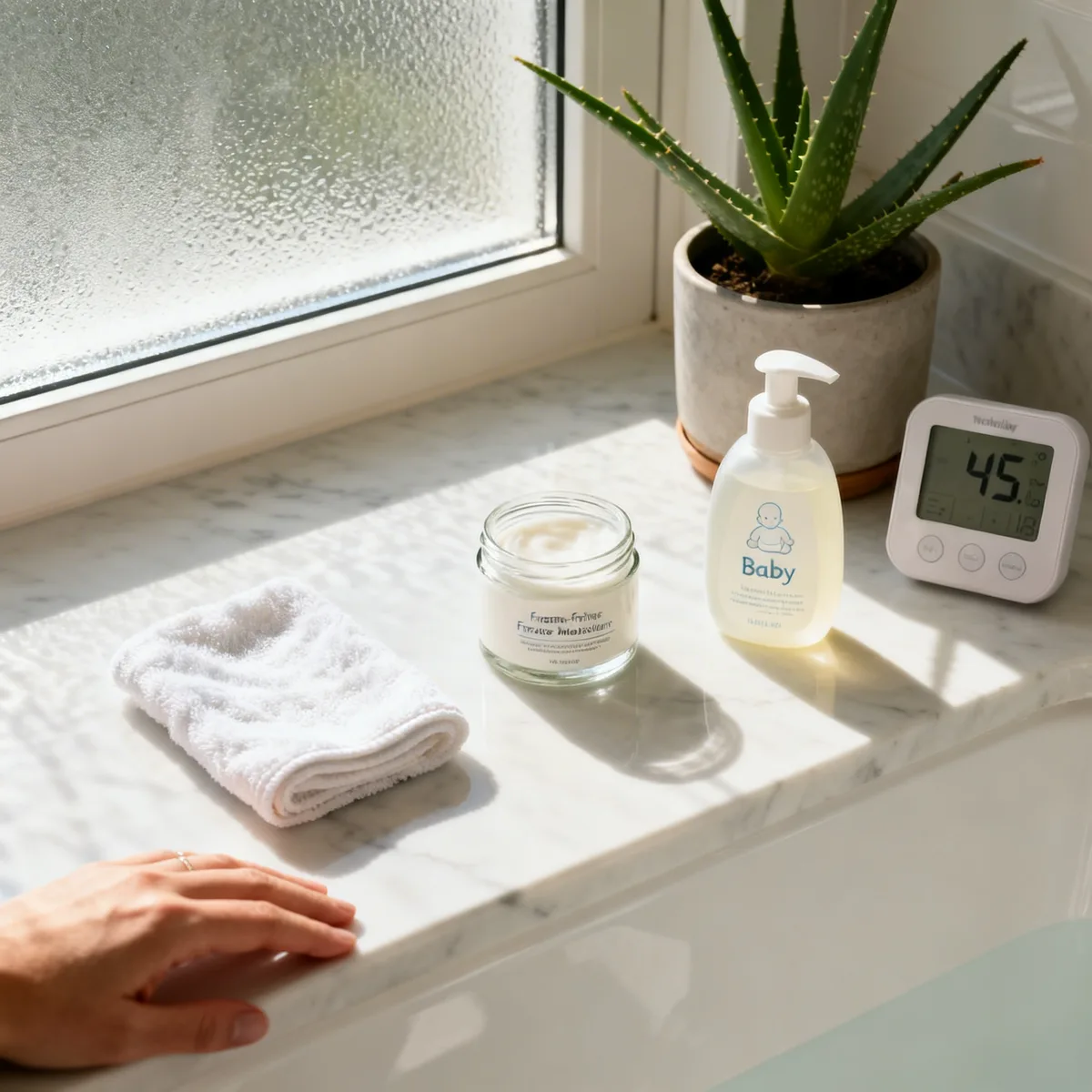
Room temperature is one of the most practical variables you can control. The AAP recommends keeping your baby’s sleep environment between 68°F and 72°F (20°C–22.2°C) and dressing them in no more than one additional layer beyond what an adult would find comfortable in the same room.
A useful starting point: if you’re comfortable in a light long-sleeve shirt, a single-layer sleep sack or footed pajamas is likely enough for your baby. Overheating has been identified as a risk factor associated with SIDS, which is why calibrating warmth — rather than defaulting to more layers — matters.

Wearable blankets and sleep sacks are a practical solution here. They keep your baby warm without introducing loose material into the sleep space. That distinction is important. Loose bedding — including blankets, quilts, bumper pads, and pillows — can obstruct an infant’s airway. The AAP is direct on this: the sleep surface should be firm and flat, with nothing in the crib except the mattress and a fitted sheet.
To check whether your baby is too warm, feel the back of their neck or chest rather than their hands or feet, which tend to run cooler. Sweating, flushed skin, or rapid breathing can all indicate overheating.
The same logic that applies to sleep products applies to clothing and fabric choices. If you’re thinking through your baby’s broader daily care — including bath time and skin contact — our guide on bamboo baby towels looks at what the material evidence actually supports versus what’s mostly marketing.
For SIDS prevention, the sleep environment itself does a lot of the work. Temperature, appropriate clothing, and a bare sleep surface are the three levers you have the most direct control over — and the research consistently points back to all three.
General guidance applies to most families. But some babies carry a higher baseline risk, and for them, a conversation with your pediatrician is worth having early — ideally before you leave the hospital.
Prematurity is one of the clearest risk factors. Babies born before 37 weeks have underdeveloped brainstem function, which affects how they respond to low oxygen during sleep. Low birthweight — under 5.5 pounds — is associated with similar vulnerabilities. If your baby was born early or small, ask your care team specifically what a safe sleep setup looks like for them. The answer may differ from standard guidance in certain details.
Family history matters too. If a previous child died of SIDS or a sleep-related cause, or if there is a known family history of cardiac arrhythmia, your pediatrician may recommend additional monitoring or evaluation. This isn’t routine for every family, but it’s a conversation worth initiating rather than waiting to be offered.
Tobacco exposure — both during pregnancy and in the home after birth — is one of the most consistently documented risk factors in the research. The AAP recommends that babies never share a sleep surface with a caregiver who smokes, and that smoke exposure in the home be eliminated entirely. If this is your situation, your pediatrician can help you think through realistic harm-reduction steps.
You should also contact your pediatrician if your baby consistently has difficulty breathing during sleep, shows unusual color changes, or has episodes where they seem to stop breathing briefly. These are not normal variations. They warrant prompt evaluation.
Beyond these specific situations, your baby’s routine well-child visits — at 1 month, 2 months, and 4 months — are natural checkpoints to revisit sleep safety questions. Developmental changes at each stage, including increased mobility, can shift what a safe sleep environment looks like. Bring your questions then, or earlier if anything feels off.
Place your baby on their back to sleep for every sleep — naps and nighttime. Back sleeping is the single most evidence-supported action for reducing SIDS risk. Combined with a firm sleep surface in your room (without bed-sharing), this one habit significantly lowers risk.
The AAP recommends against bed-sharing and instead recommends room-sharing without bed-sharing — meaning your baby sleeps on a separate, firm surface in your room. Room-sharing without bed-sharing reduces SIDS risk by as much as 50%, while bed-sharing introduces hazards like soft bedding, pillows, and overheating that increase risk.
No. There is no scientific evidence that commercial baby monitors, movement sensors, or home apnea monitors prevent SIDS. These products may increase parental anxiety rather than reduce it. Room-sharing without bed-sharing is the recommended way to maintain proximity to your baby.
SIDS is sudden infant death syndrome that occurs in babies typically under six months of age. SUDS (sudden unexplained nocturnal death syndrome) is a term sometimes used for unexplained deaths in older children and adults. SIDS has a specific age window of highest risk — most cases occur between one and four months.
SIDS risk drops significantly after six months of age. Around 90% of SIDS cases occur before six months, with the highest risk window between one and four months. However, safe sleep practices remain important throughout the first year.