

Labor & Delivery
What to Pack in Your Hospital Bag for Baby: The Complete Checklist
Laeeka Edries·11 min read

Hospital bag checklist for labor with what actually gets used. Skip the clutter—pack comfort, documents, and essentials hospitals won't provide.
Here’s what nobody tells you about creating a hospital bag checklist: most people pack way too much, and then worry they’ve packed too little. The truth is simpler — hospitals provide the medical setup, but they don’t provide comfort, and comfort matters when you’re in labor.
A solid hospital bag checklist focuses on what actually makes labor and recovery easier: your own pillow, snacks that won’t make you nauseous, documents that keep check-in smooth, and a few comfort items that remind you who you are when everything feels out of control. This guide breaks down exactly what gets used, what hospitals actually provide, and what you can safely skip — so you pack smart instead of packing everything.
Related hospital bag guides
Packing for someone else? See what to pack for baby or dad’s hospital bag checklist.
Here’s the truth nobody says out loud: packing that bag feels like you’re tempting fate. Like if you do it too early, something might go wrong. Pack it anyway. Around 36 weeks pregnant is the sweet spot — early enough to breathe easy, late enough that it feels real.
Hospitals provide the basics — bed, monitors, those weird mesh underwear you’ll actually love. What they don’t provide is comfort. That part is on you.
For labor itself, bring your own pillow (in a dark pillowcase so you don’t accidentally leave it). A light blanket you actually like. Lip balm, because nobody warns you how dry your lips get during labor.
Bring snacks — for you and whoever’s with you. Hard candies for early labor. Something with real calories for after delivery, because hospital food timing is unpredictable and you will be starving.
On the documents side: your ID, insurance card, and birth plan if you have one. Keep them in a small pouch together so you’re not digging around while contractions are coming.
For comfort items: a portable charger (non-negotiable), headphones, and whatever helps you feel like yourself — a good face wash, your own hair ties, a cozy pair of socks. Grippy socks especially. Hospital floors are cold and you will be walking.
One thing worth thinking through before you pack: who else needs to be ready. A solid hospital bag checklist for dad or your birth partner can make a real difference in how supported you feel when things get intense.
Keep it simple. One bag, not four. You’re going to have enough to think about.
Nobody tells you this part clearly enough: the hospital is not going to feel like home, and that matters more than you think when you’re exhausted and vulnerable and trying to do the hardest thing your body has ever done.
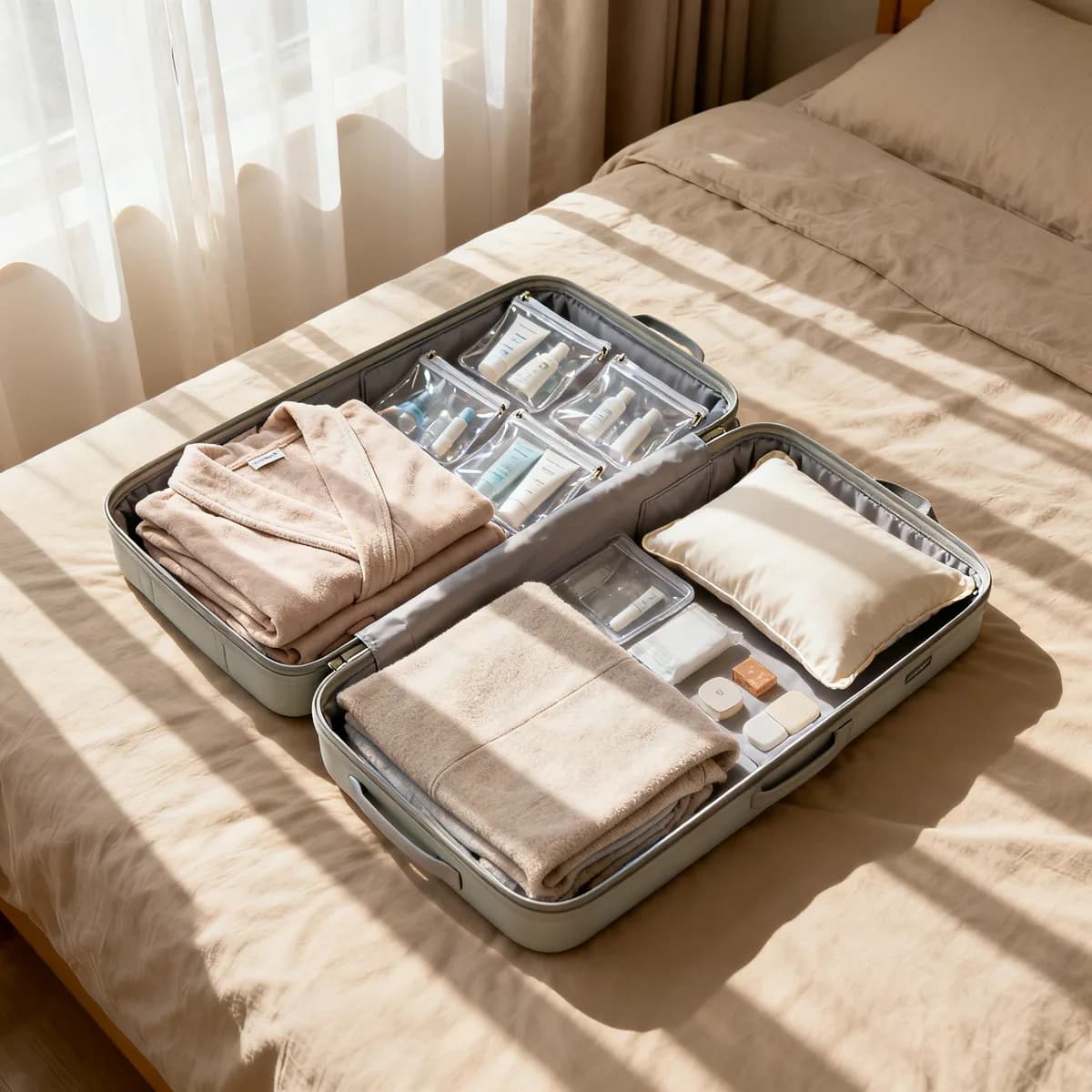
Pack for comfort first. A loose, soft nightgown or robe that opens in the front — something you’re not afraid to ruin. The hospital gown is there if you want it, but having your own option feels like a small piece of control when everything else is out of your hands.
Toiletries matter more than people realize. Bring your own shampoo, face wash, and lip balm. Labor is long. Feeling even 10% human after a shower can shift your entire mood going into recovery.
Grippy socks are non-negotiable. Hospital floors are cold, and you will be walking — before, during, and after. Pack two pairs so you always have a dry one.
For comfort during labor itself: a hair tie on your wrist at all times, a small pillow from home (hospital pillows are flat and sad), and something warm for your shoulders between contractions. You’ll thank yourself.
If you’re planning to breastfeed, pack a nursing bra or two — something soft, no underwire. Look for wire-free options in natural fabrics, designed for those first unpredictable days when your body is doing a lot of adjusting.
For recovery: high-waisted underwear you don’t care about, a loose outfit for the ride home, and your phone charger — longer than you think you need.
If you’re still in the thick of third trimester prep, the stages of labor and dilation is worth reading before you go — knowing what’s coming helps you pack for what you’ll actually need.
Here’s what nobody tells you: the hospital provides more than you think.
Most hospitals cover diapers, wipes, swaddle blankets, a little hat, and basic feeding supplies for the first day or two. You don’t need to pack a week’s worth of newborn gear. You just need enough to get you both home.
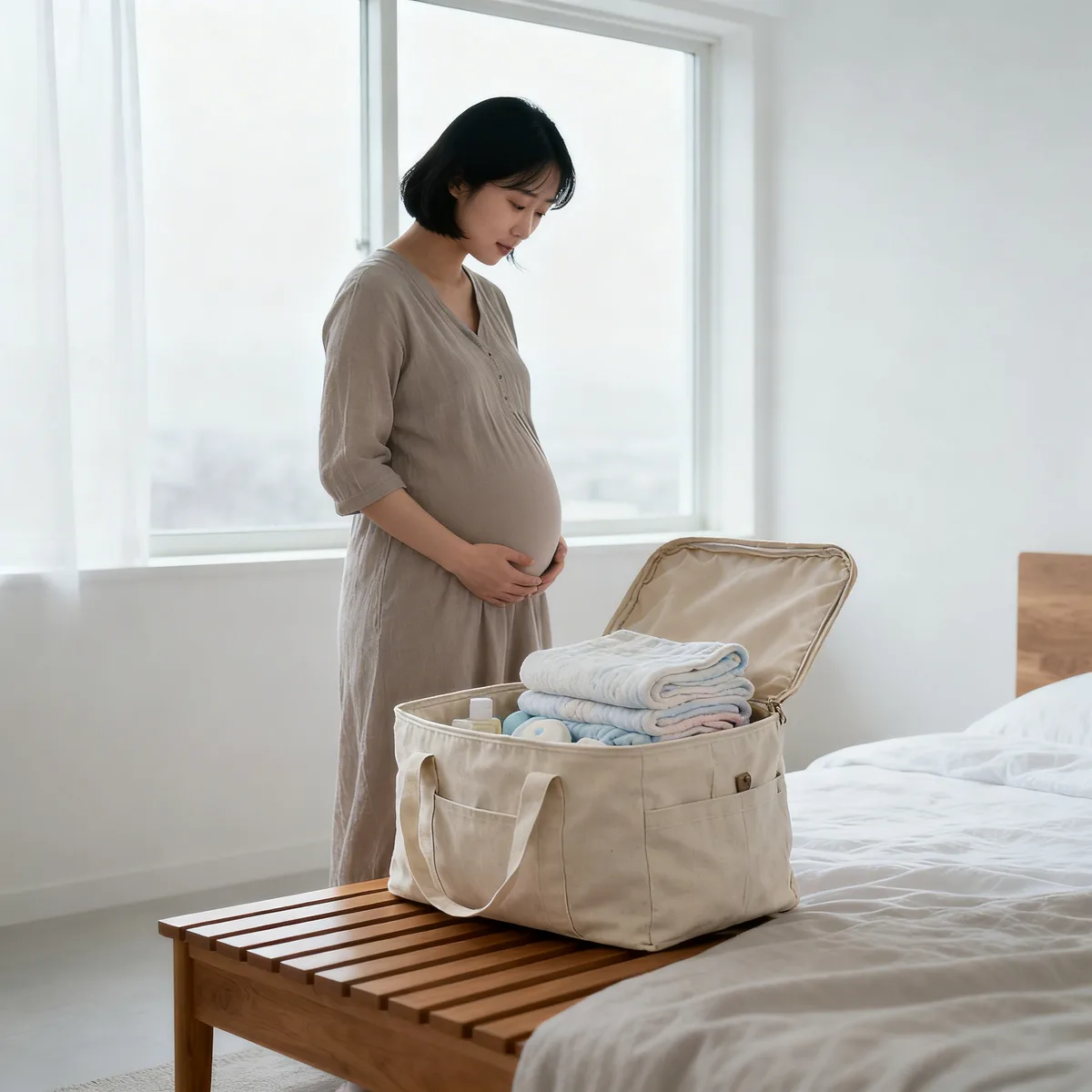
For your baby, keep it simple. One or two going-home outfits in newborn size — and one in 0-3 months, because babies are unpredictable. A car seat, installed before you leave for the hospital. That’s the non-negotiable.
If you’re planning to breastfeed, pack your own nipple cream. The hospital may have some, but having your own means not waiting on a nurse at 2am when you need it most.
soft swaddle blankets Same with a pacifier if you plan to use one.

That’s genuinely it for the baby side of your hospital bag checklist. You’re not setting up a nursery in that room — you’re just getting through two or three days.
Once you’re home and your brain starts working again, figuring out what to actually stock up on gets easier. The newborn essentials checklist is a good starting point — it breaks down what’s worth buying before baby arrives and what can wait.
The biggest packing mistake I see? Overpacking for the baby and underpacking for yourself. Your newborn is going to be fed, checked on, and wrapped up by a whole team of nurses. You’re the one who needs things.
Nobody talks about this part. You’re deep in nesting mode, folding tiny onesies and debating which swaddle to bring — and then you get to the hospital and someone at the front desk asks for your insurance card and your pre-registration confirmation and your brain just goes blank.
It happens more than you’d think. So let’s make sure it doesn’t happen to you.
Your insurance card is non-negotiable. Bring the physical card, not just the app. Hospitals vary, and some intake desks still need something they can photocopy.
Your photo ID goes in the same pocket. Driver’s license or passport — whatever you have. Don’t make yourself dig for it in a contraction.
If your hospital offers pre-registration, do it now. Most let you complete paperwork online weeks before your due date so check-in takes minutes instead of what feels like forever. Print the confirmation and pack it. Yes, print it.
Birth plan copies — bring at least three. One for your chart, one for the nurses, one for you or your partner to reference. If you’ve thought through things like delayed cord clamping or other birth preferences, having it written out means you don’t have to advocate out loud through every wave of labor.
Your OB or midwife’s contact number should be written down somewhere physical — not just saved in your phone. Phones die. Papers don’t.
If you’re on any medications, pack a list with dosages. Same goes for any known allergies. The team will ask, and having it written saves you from trying to remember while you’re managing a whole lot of other things.
Put all of this in one envelope or a small pouch. Label it. It’s the least glamorous part of your hospital bag checklist, and it might be the most important.
Here’s where most people quietly go wrong. They pack for every possibility instead of the actual 48-72 hours they’re going to be there.
Your full-size toiletry collection? Leave it. Travel sizes only. Counter space in a hospital room is basically nonexistent, and you will not be doing a 12-step skincare routine after pushing a baby out.
A giant pillow from home sounds comforting in theory. In practice, it’s bulky, it gets in the way of nurses trying to reach you, and some hospitals won’t allow it due to infection control policies. Check before you pack it.
Jewelry. All of it. Even your rings if there’s any chance of swelling — and there’s almost always swelling. You’ll thank yourself later.
Lots of newborn clothing for the baby. Most hospitals dress them in their own little hats and wraps for the first day or two. One coming-home outfit is genuinely enough.
Food for labor. Many hospitals restrict eating during active labor or before a potential C-section. What you can bring is light snacks for your support person and something easy for you to eat after delivery, when you will be absolutely ravenous.
Candles, diffusers, anything with an open flame or strong scent. Hospital policy almost always prohibits these, and the last thing you want is to have something confiscated right when you were counting on it to calm you down.
A laptop or tablet loaded with shows you’ll “finally get to watch.” You might use it. You might not touch it once. Either way, it’s one more thing to keep track of.
If you’re still figuring out what your baby needs in those first weeks at home — not just at the hospital — it helps to start thinking about that early. Being 30 weeks pregnant is actually a solid time to start making those decisions, before the final stretch gets overwhelming.
Pack less than you think you need. You can always ask someone to bring more.
Here’s the thing nobody tells you: you don’t need to have it all figured out at once. The bag doesn’t have to be perfect. It just has to be done.

Most people pack somewhere between 35 and 37 weeks. That’s a reasonable window. But if you’re carrying multiples, have had any complications, or you’re already feeling pressure and contractions earlier than expected — pack sooner.
If you’re approaching your due date and haven’t started yet, read through what to expect at 40 weeks pregnant. It’ll help you understand what’s actually coming so you pack for the real experience, not the imagined one.
The most practical thing I can tell you: use a hospital bag checklist as a starting point, not a final word. Cross off what doesn’t apply to you. Add what does.
Keep your bag in one place. Somewhere you and your partner both know. Not buried in a closet. Not “almost packed.” Actually packed and zipped, with a few things left out that you’ll grab at the last minute — phone charger, toiletries you’re still using daily.
Put those last-minute items on a sticky note attached to the bag. That way, when things get real and your brain goes offline, you don’t have to remember anything. You just grab the note.
Pack a separate small bag or pouch for labor itself — the things you’ll actually want within reach. Everything else can stay zipped until you’re settled into your room.
Don’t overthink the organization. Labeled pouches help. So does packing your partner’s stuff separately from yours. Fewer moments of digging through a bag trying to find one thing while you’re having a contraction.
Simple is what works when everything else is loud.
Here’s something nobody talks about enough: your support person is going to be there for a long time. Like, potentially a very long time. And if they’re exhausted, hungry, or uncomfortable, that affects you.
Labor is not a spectator sport for them. They’re lifting, pressing, timing, advocating, and holding space — sometimes for 12, 18, 24 hours straight. They need their own bag.
Food is the big one. Hospital cafeterias close. Vending machines get old fast. Have them pack real snacks — things with protein, not just chips. A water bottle they’ll actually refill. Coffee or whatever gets them through.
A change of clothes matters more than people think. Things get messy and long. Fresh clothes mid-way through can reset a person’s whole energy.
Their phone charger. A portable battery pack if you have one. They will be the one fielding updates to family, documenting, and keeping music or playlists going. Their phone dying is genuinely stressful for both of you.
Something to do during slow stretches — a show downloaded offline, a book, headphones. There will be waiting. That’s just the reality of labor.
If you’re still mapping out the full what is a doula question and figuring out who your support people actually are, sorting roles before you’re in the thick of it makes a real difference.
Comfort items help too. A travel pillow, a hoodie, something familiar. If they’re rested and fed, they can actually show up for you the way you need.
Packing their bag separately from yours — like the previous section mentioned — isn’t just about organization. It’s about making sure their needs are covered so they’re not quietly falling apart while trying to hold it together for you.
Aim for around 36 weeks pregnant — early enough that you’re not stressed about it, late enough that it feels real. This gives you time to adjust what you’ve packed based on your birth plan and hospital preferences, without the anxiety of doing it too far in advance.
Hospitals provide the medical essentials: the bed, monitors, gowns, towels, and those surprisingly useful mesh underwear. You need to bring comfort items — your own pillow, snacks, toiletries, documents, and clothing that makes you feel like yourself during labor and recovery.
Yes, absolutely. Use a dark-colored pillowcase so you don’t accidentally leave it behind, and bring a lightweight blanket you actually like. These small touches make a huge difference in how supported you feel during labor and recovery.
Hospitals typically provide newborn clothing and blankets, but packing a few outfits in different sizes (newborn and 0-3 months) gives you options and makes those first photos feel more personal. You won’t regret having them, even if you end up using hospital items most of the time.
Most hospitals allow headphones and music, portable chargers, personal toiletries, hair ties, and items that help you feel grounded — like your own face wash or a familiar scent. Call your hospital ahead of time to confirm their specific policies on things like essential oil diffusers or candles.