

Buying Guides
Best Portable High Chair for Travel: Reviews & Buying Guide for On-the-Go Feeding
Soyeon Park·11 min read

Skip the overwhelm. This baby registry checklist for first-time parents breaks down feeding, sleep, clothing, and gear essentials—plus what to skip.
Most first-time parents either buy everything that looks remotely important or freeze and buy almost nothing. A baby registry checklist first time parents need is designed to solve that paralysis by giving you a real framework — what you genuinely need in the first eight weeks, what can wait, and what’s pure marketing noise dressed up as necessity. This guide cuts through the overwhelm.
Nobody tells you that building a registry feels like being handed a 50-page exam with no syllabus. You walk into a store (or open a browser tab) and suddenly you’re supposed to have opinions about bottle nipple flow rates and bassinet breathability ratings. Without a structure, most people do one of two things: they buy everything that looks important, or they freeze and buy almost nothing.
A baby registry checklist for first-time parents solves a specific problem — it gives you a framework before the opinions, the Amazon rabbit holes, and the well-meaning relatives get involved. It separates what you actually need in the first eight weeks from what can wait, what’s genuinely useful from what’s clever marketing dressed up as necessity.
There’s also an emotional layer here that doesn’t get talked about enough. Preparing for a baby you haven’t met yet is strange. A checklist gives you something concrete to do with that anticipatory anxiety. It makes the abstract feel manageable. Checked box by checked box, you’re building confidence alongside a nursery.
The practical upside is just as real. Over-buying is a first-time parent tax almost everyone pays. Gear that seemed essential ends up shoved in a closet by week six. Under-preparing hits differently — realizing at 2am that you’re out of the right wipes or don’t have a workable feeding setup is a specific kind of exhaustion you don’t need. If you’re planning to breastfeed, knowing what you actually need upfront — from breastfeeding positions to the right bottle transition — can shape your whole registry differently.
A good checklist isn’t about buying more. It’s about buying right, the first time.
Feeding gear is where registries go sideways fast. Too many bottles in the wrong flow rate. A sterilizer that doesn’t fit your microwave. A nursing pillow that works for roughly one position. The category feels simple until you’re in it.
Start with bottles — but don’t go deep before you know how feeding will actually go. A few different options in a slow-flow nipple is smarter than committing to one brand. If you’re planning to combine breast and bottle, the transition matters more than most people expect. What makes a bottle work for a breastfed baby is specific — worth reading up on before you add twelve of the wrong ones to your list. The best baby bottle breastfed guide breaks down what to actually look for.
For sterilizing: electric steam sterilizers are faster and less annoying than boiling. Microwave bags are a solid backup. Pick one, don’t stockpile both.
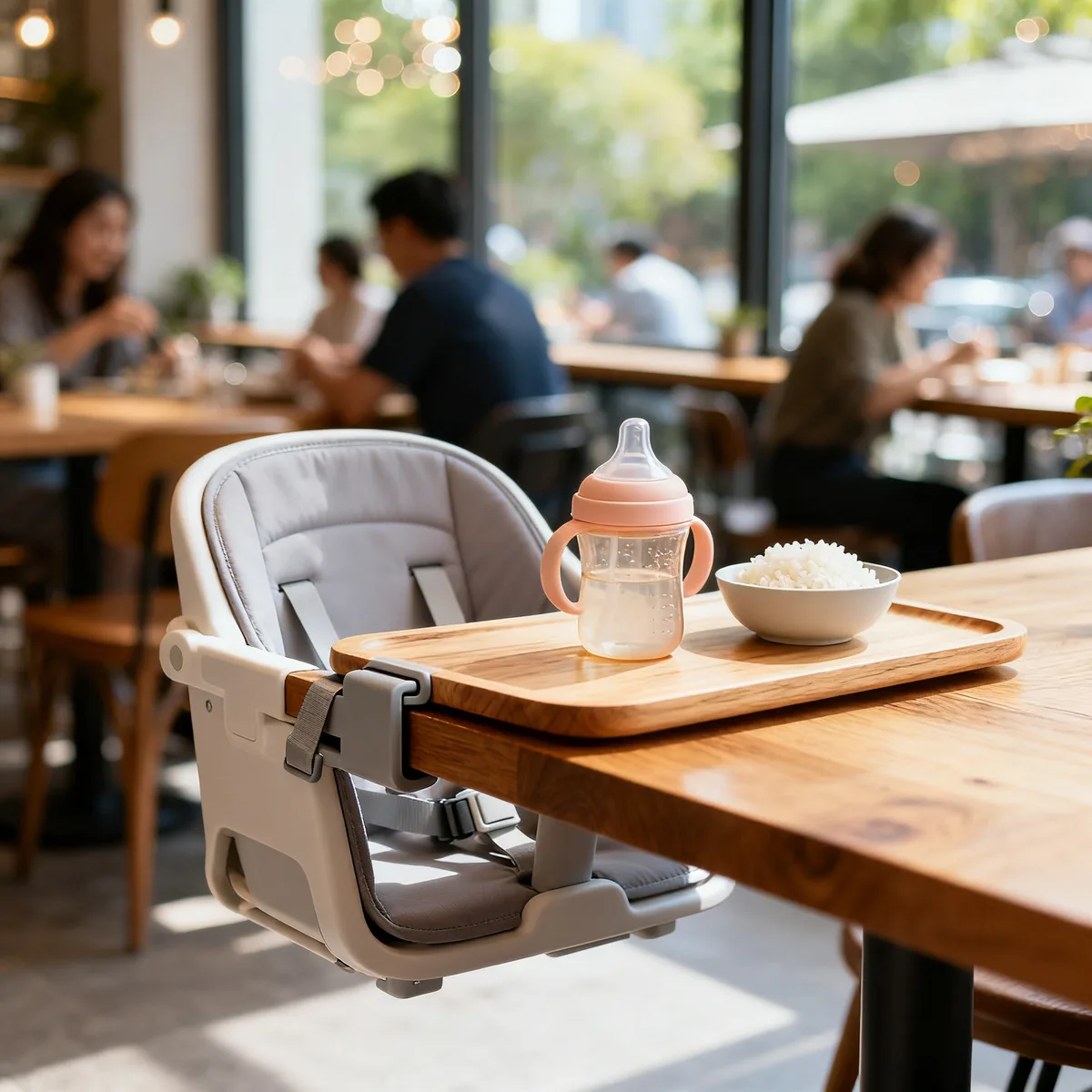
A feeding support seat earns its place earlier than you think — especially if you’re solo parenting stretches of the day. If you want to understand what to look for before buying, the breakdown on baby feeding support seat options is genuinely useful. Alpremio feeding care seats, available at Onzenna, are worth a look if you want something compact that actually holds its position — they tend to replace the bulkier options people regret buying first.
Accessories tend to get under-registered: burp cloths (you need more than you think), a nursing pillow, milk storage bags if you’re pumping, a bottle brush, and a small drying rack. None of it is glamorous. All of it matters at 3am.
The goal with this part of your baby registry checklist isn’t to cover every scenario. It’s to not be caught completely unprepared when hunger is immediate and your options aren’t.
The nursery can spiral fast. Everyone has an opinion, and suddenly you’re looking at a $600 bassinet with an app. Pull back. What you actually need is a firm, flat sleep surface, a fitted sheet, and a safe environment. That’s the core.
For the crib or bassinet, look for something that meets current safety standards — no drop sides, no plush padding, no bumpers. A firm mattress with a waterproof cover underneath the fitted sheet is non-negotiable. Babies spit up. They leak. You will change that sheet at 2am and you will be grateful you have a spare.
Bedding is simple: one fitted sheet, nothing else in the crib. No pillows, no positioners, no sleep wedges. The American Academy of Pediatrics is clear on this and has been for years. sleep sack
White noise makes a real difference for a lot of babies. A basic machine works. You don’t need a smart speaker setup. Blackout curtains matter more than people expect, especially as they get older and early light starts wrecking naps. Budget for both.
If you’re thinking ahead to sleep training, the Ferber method is one approach worth understanding before you’re exhausted and desperate for answers — reading up early means you’re not making decisions in crisis mode.

What you don’t need: a wipe warmer, a diaper stacker, an elaborate mobile that costs more than your mattress, or a sound machine that requires a subscription. Keep the registry focused on function. The nursery doesn’t have to be a showroom to work well.
Diapering is high volume and low glamour. Set up a station that works — changing pad with a waterproof cover, diapers in a couple of sizes (newborn goes fast), fragrance-free wipes, diaper cream for early rash prevention, and a wet bag or lidded bin for disposal. That’s it. You don’t need a Diaper Genie with three accessories. You need somewhere to put the dirty ones quickly.
For bath time, keep it simple. A baby tub with a newborn insert, a soft washcloth or two, and a gentle cleanser that’s actually formulated for newborn skin. Newborns don’t need a lot of product — their skin barrier is still developing, which means harsh fragrances and long ingredient lists are working against you, not for you.
Towels matter more than people think. Hooded baby towels dry fast and keep them warm while you’re doing the post-bath scramble. If you’re weighing materials, the honest breakdown on bamboo baby towels is worth a read before you add anything to your list.
For skincare, the rule for newborns is: fewer ingredients, better. Look for fragrance-free, dye-free formulas designed for sensitive skin. If you want to understand why formulation philosophy matters for this age group, korean baby skincare covers the approach in a way that actually makes sense for everyday decisions. The Cha&Mom line, available at Onzenna, is formulated with that same minimal-ingredient philosophy — short ingredient lists, no fragrance, genuinely designed for newborn skin rather than just marketed toward it.
This section of a baby registry checklist for first time parents tends to get overcomplicated fast. Stick to what touches skin and what keeps things clean. That’s the whole job.
Here’s what nobody tells you: the clothing section of a baby registry checklist for first time parents is where the most money gets wasted. Cute outfits that get worn once. Sizes that last three weeks. Seasonal gear bought in the wrong month.
Start with sizing. Newborn clothes fit for maybe two weeks if your baby is average size, less if they’re big. Stock 0–3 months and 3–6 months. Buy up, not down. You’ll be doing laundry constantly anyway — you don’t need thirty onesies in a size your kid will skip entirely.
Fabric is the real conversation. Soft, breathable, and washable. That’s it. Cotton and bamboo blends hold up well and don’t trap heat. Avoid anything with rough seams or synthetic fills against skin. For a baby who’s moving constantly — rolling, pulling, eventually running — you want stretch with recovery. Stiff fabrics just create friction and fussiness.
Seasonal layering matters more than seasonal outfits. A good footed sleeper works year-round with the right layer underneath. Invest in zip-up styles over snaps — at 3am, you will feel that difference personally. For toddlers who are walking and climbing, look for reinforced knees and soft waistbands that don’t dig in when they sit.
Loungewear for active babies is an underrated registry category. Babies spend hours on the floor. They need range of motion, not structure. Two-piece sets with a relaxed fit tend to outlast the fussier coordinated looks — and your toddler can actually move in them. The BabyRabbit sets at Onzenna are cut with that in mind — soft waistbands, stretch fabric, and proportions that don’t bunch up the moment your baby starts rolling.
Don’t over-index on outerwear until you know your baby’s size and your actual winter. A couple of solid base layers and a good sleep sack will carry you further than a closet full of seasonal pieces that don’t fit when the weather changes.
This is where most first-time registries either go too minimal or spiral into gadget overload. Neither is useful. The goal is functional infrastructure — things that make the unglamorous parts of early parenthood run smoother.
A bottle warmer is a real one. Heating a bottle under running water at 3am while holding a screaming baby is exactly as miserable as it sounds. A basic warmer with a timer changes that. Same logic applies to a white noise machine — cheap, small, and genuinely effective for stretching sleep windows.
A humidifier belongs in the nursery. Dry air wrecks newborn sleep and makes every mild congestion worse than it needs to be. Get a cool-mist option, skip anything with filters that require constant replacing, and budget for a cleaning routine because stagnant moisture is its own problem.
For monitors, audio is underrated. Video feels essential until you realize you spend half the night watching a blurry infrared feed and catastrophizing. If you go video, prioritize connection stability over resolution — a monitor that cuts out is worse than no monitor.

On cleaning: your standards will shift fast once a baby is in the house. Surfaces, bottles, toys, high chairs — it adds up. Knowing what’s actually safe to use across all of it matters more than you’d think. This guide on baby safe cleaning products breaks it down by surface so you’re not guessing at labels while sleep-deprived.
The throughline across all of this: if something saves you a decision or a step during night hours, it earns its place on your baby registry checklist first time parents almost always treat as optional. It’s not optional. It’s the stuff that keeps you functioning.
The skip list matters as much as the must-haves. First-time parents building a baby registry checklist often over-index on things that look useful in a product photo and collect dust by month three.
Start with the wipe warmer. It sounds kind. It grows bacteria if you’re not cleaning it obsessively, and your baby will adjust to room-temperature wipes in approximately two changes. Skip it.
Bottle sterilizers that only work with one brand. You don’t know yet what bottle your baby will actually take. Locking into a brand-specific system before you’ve tried anything is a fast way to waste shelf space. A pot of boiling water or a basic steam bag does the same job.
Newborn shoes. They can’t walk. They can’t keep shoes on. No further explanation needed.
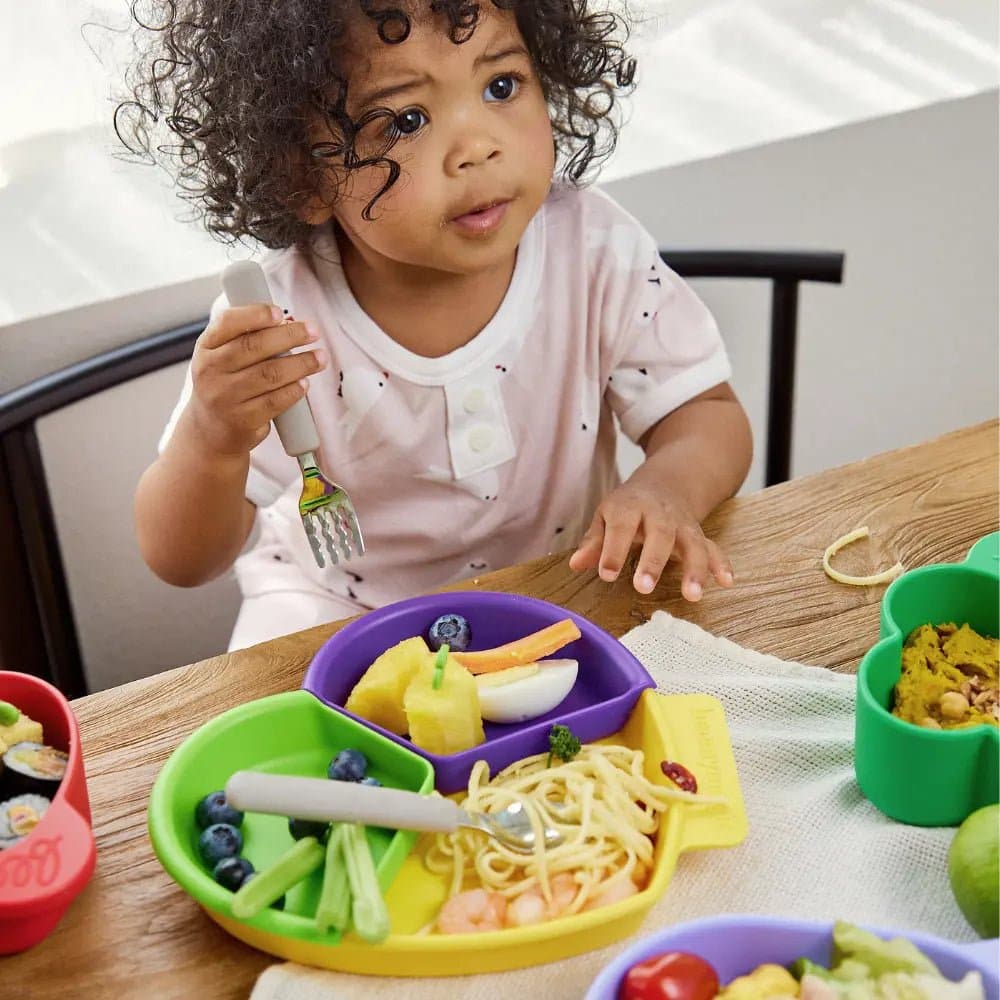
Redundant feeding gear is a big one. If you’re already adding a full best silicone baby feeding set to your list, you don’t need five separate silicone spoons, three suction bowls from different brands, and a set of divided plates on top of it. Pick a system and commit.
Infant bath seats, bath hammocks, and bath pillows often overlap with each other and with your regular baby tub. One tub with a newborn insert covers the full first year. You don’t need three separate bathing solutions.
Trendy sound machines with apps, color-changing lights, and ten different white noise modes. A dedicated sound machine with consistent output is the one that actually builds sleep associations. The feature bloat is for the parents, not the baby.
And anything in multiples before you know your baby’s preferences — nipple flow rates, pacifier shapes, swaddle styles. Register for one, try it, then stock up when you know it works. The registry isn’t a pre-order for the next two years. It’s a starting point.
Start with the essentials: feeding supplies (bottles or nursing support), safe sleep setup (crib, mattress, sheets), diaper changing station, basic clothing in multiple sizes, bathing supplies, and a few comfort items like a white noise machine. Everything else can be added based on your specific feeding method and lifestyle.
For bottles, 6–8 in your chosen size is practical if you’re combo feeding; fewer if exclusively breastfeeding. For clothing, focus on 5–7 onesies, 3–5 sleepers, and 2–3 outfits in newborn and 0–3 month sizes. Babies grow fast and you’ll receive duplicates—quality over quantity wins here.
Mix thoughtfully. Invest in items baby uses constantly (safe sleep gear, feeding bottles you’ll use daily) and that affect safety or comfort directly. Budget-friendly works fine for things like wipes, diapers, or clothing that your baby will outgrow in weeks. Avoid ultra-premium versions of items that don’t meaningfully improve function.
Yes, but sparingly and only if you’re intentionally planning ahead. Most toddler items (climbing toys, larger clothing sizes, advanced feeding gear) are better added later when you know your child’s interests and developmental stage. Keep the newborn registry focused on the first 8–12 weeks.
Before birth: safe sleep setup, feeding supplies, diaper station, basic clothing, and bathing essentials. After birth: many convenience items like bottle warmers or white noise machines can wait—you’ll know what you actually need once your baby arrives and you see your real rhythm. Use post-birth gifts to fill those gaps.