

Newborn: 0–3 Months
Baby Witching Hour: Why Evenings Are So Hard and How to Actually Cope
Laeeka Edries·13 min read

Your 2 month old milestones guide covers sleep, development, and feeding honestly. What's actually normal at 8 weeks, without the pressure or polished spin.
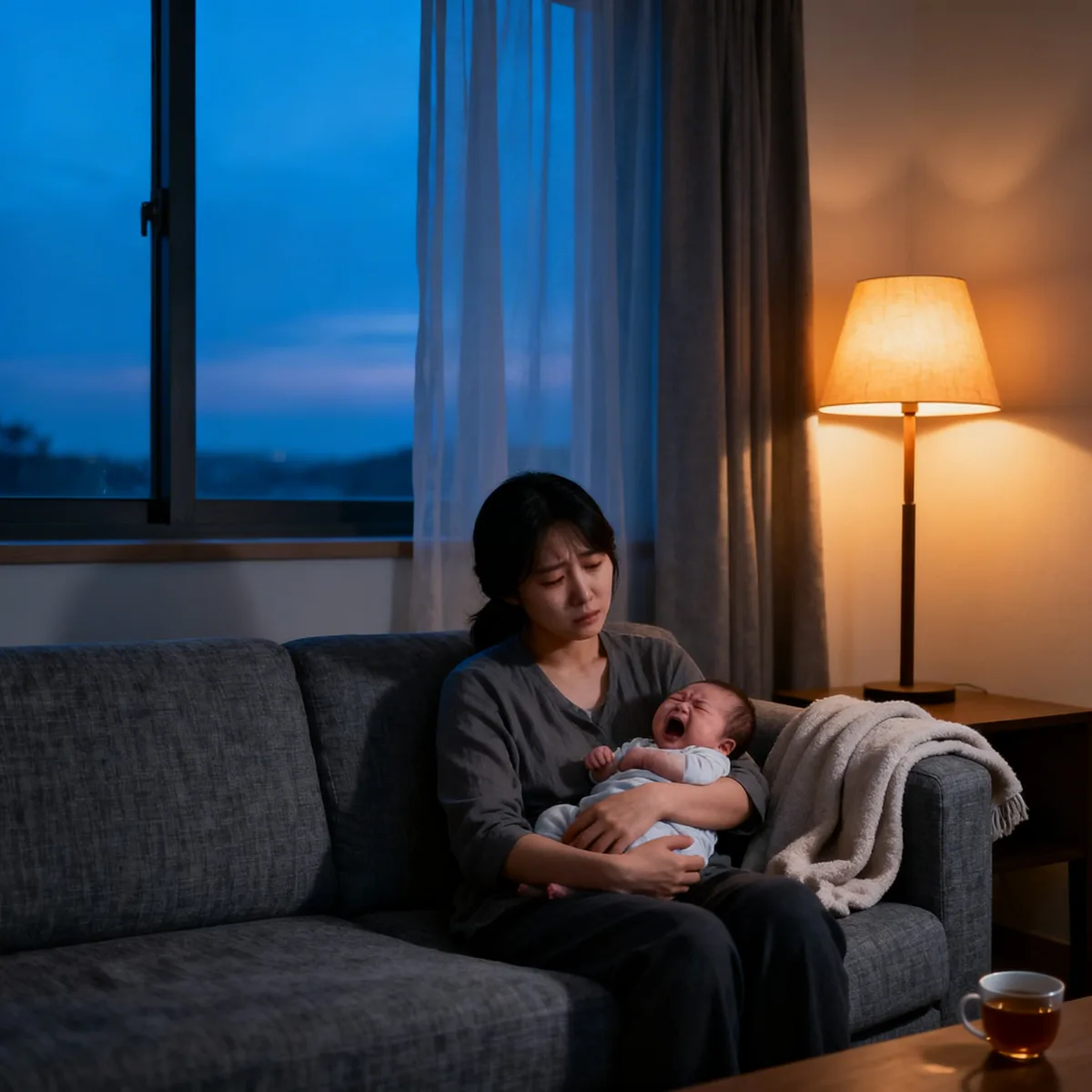
Two months in, and so much is already happening — you’re just too tired to see it clearly. You’re surviving on cold coffee and 90-minute sleep chunks, and someone at a family dinner just asked if the baby is “doing anything fun yet.” You smiled politely. You wanted to cry. Here’s the thing — so much is happening with your 2 month old right now. Like, actually wild developmental stuff. It’s just happening quietly, between the screaming and the spit-up. This guide breaks down the real 2 month old milestones — sleep, development, feeding, the stuff that scares you at 3 AM — without the clinical robot tone or the Pinterest pressure. You’ve got this. Let’s get into it.
First: stop Googling “is my baby normal” at midnight. Here’s what’s genuinely happening developmentally at two months, and it’s more than you think.
If your baby isn’t hitting every single one of these right at the 8-week mark — breathe. Milestones are ranges, not deadlines. But if you have genuine concerns, your pediatrician is always the right call.
The 2 month old sleep schedule is the thing that breaks most new moms. You’ve read the sleep training threads. You’ve seen the “my 8-week-old sleeps 8 hours” TikToks. Here’s the honest truth: those are the exception, not the rule, and the algorithm is not your friend right now.
At two months, here’s what’s biologically normal:

The 2 month old sleep schedule isn’t really a “schedule” yet — it’s more like a loose rhythm. Watch for sleepy cues (rubbing eyes, zoning out, getting fussy) and aim to put baby down within 60-90 minutes of waking. That’s your window before overtiredness kicks in and everything escalates.
Safe sleep reminder: Always back, always alone, always in a firm flat sleep space. Every time. No exceptions, even when you’re exhausted.
Feeding at two months is still full-time. Like, genuinely consuming. Here’s where you probably are:
Signs feeding is going well: steady weight gain, 6+ wet diapers a day, baby seems satisfied between feeds (sometimes). Signs to loop in your pediatrician: significant weight loss from birth weight hasn’t recovered, baby seems constantly hungry or consistently refuses to eat.
One thing that trips up a lot of moms at this stage: nipple confusion if you’re introducing a bottle while breastfeeding. The shape and flow of the nipple matters more than you’d think. This is a real thing, not mom anxiety. If you’re navigating the bottle introduction — whether for combo feeding, pumping, or daycare prep — it’s worth looking for a bottle with a soft silicone nipple designed to closely mimic breastfeeding and body-safe materials with no questionable plastics. The Grosmimi PPSU Baby Bottle, available at Onzenna, checks both boxes and is built around exactly that problem.
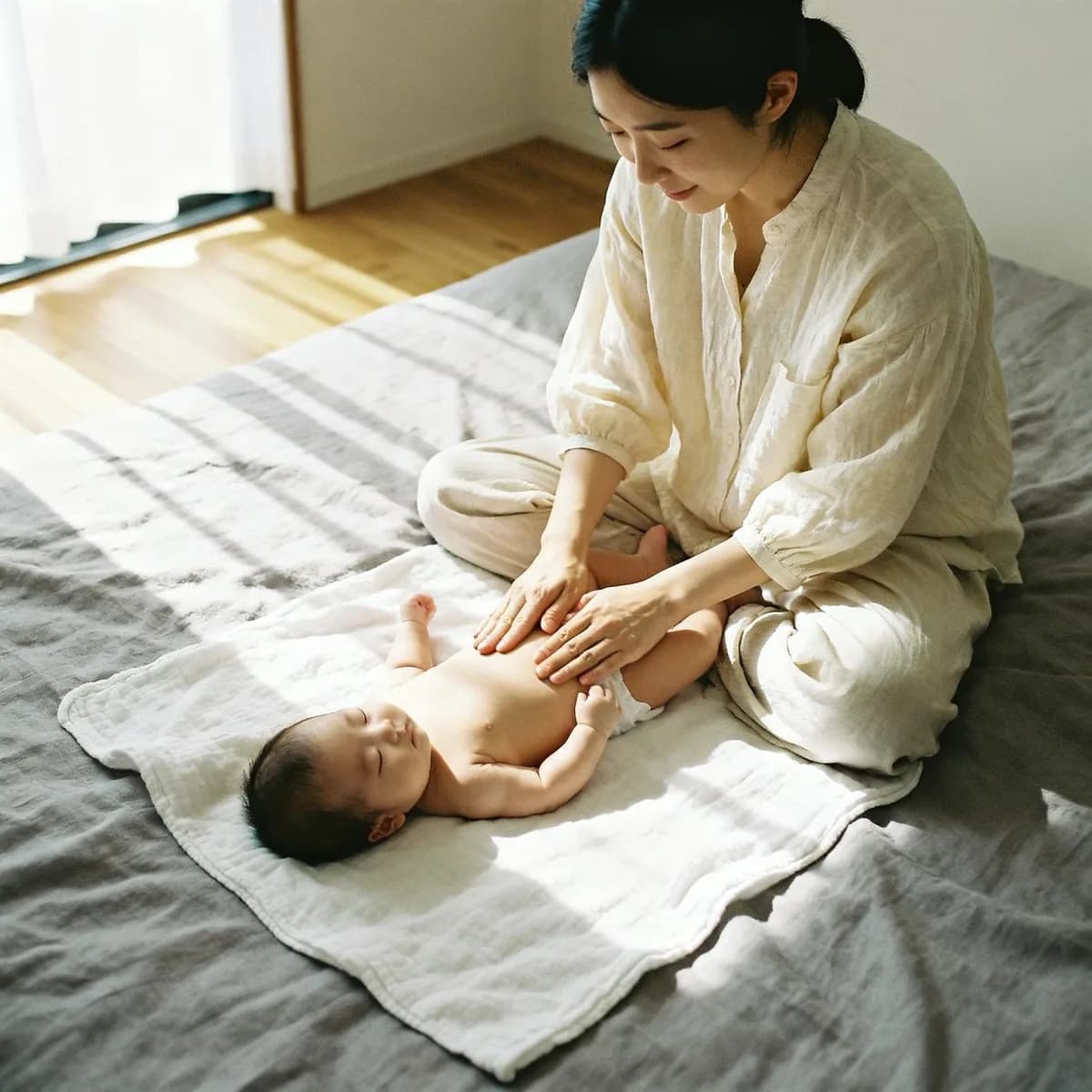
Tummy time is having a moment — and for good reason. It’s genuinely one of the most important things you can do with your 2 month old right now. Not because a chart says so, but because it directly supports the physical milestones that come next.

At 2 months, aim for:

Your baby will probably hate it at first. That’s normal. Get on the floor with them. Make eye contact. Use a rolled towel under their chest for support. Slowly, they’ll start to tolerate it — and then actually use that time to build the neck and shoulder strength that sets up rolling, sitting, and everything else.
Other motor stuff happening at 2 months:
This is the part nobody talks about enough. Your 2 month old is already a whole person with preferences, and their social-emotional development is moving fast.
Month by Month Baby Development
At 2 months, babies typically track objects with their eyes, lift their head briefly during tummy time, smile socially, and make cooing sounds—but every baby develops at their own pace, so don’t stress if yours isn’t doing all of these yet.
Most 2-month-olds need 15-17 hours of sleep total per day, usually split between 4-5 naps and 2-3 longer nighttime stretches, though some babies still wake every 2-3 hours to feed.
Yes, it’s completely normal and actually a great sign—some 2-month-olds can sleep longer stretches at night while still needing frequent daytime feeds, so don’t worry about waking them up to eat unless your pediatrician says otherwise.